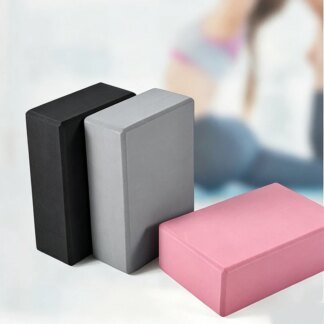



Description
Yoga Block: Must-Have Non-Slip Foam for Effortless Stretching
If you’ve ever rolled out your mat and felt that frustrating gap between where your hands reach and where the floor actually is, you already understand why a yoga block deserves a permanent spot in your practice. This isn’t some trendy accessory for advanced practitioners only—it’s a foundational tool that makes poses accessible, safer, and genuinely more effective for bodies of every shape, size, and flexibility level.
Why Every Practice Needs a Yoga Block
Let’s clear up a common misconception right away: using a yoga block doesn’t mean you’re “cheating” or taking the easy way out. In fact, seasoned instructors will tell you that props like these are built into yoga’s philosophy of meeting your body exactly where it is today, not where you wish it were.
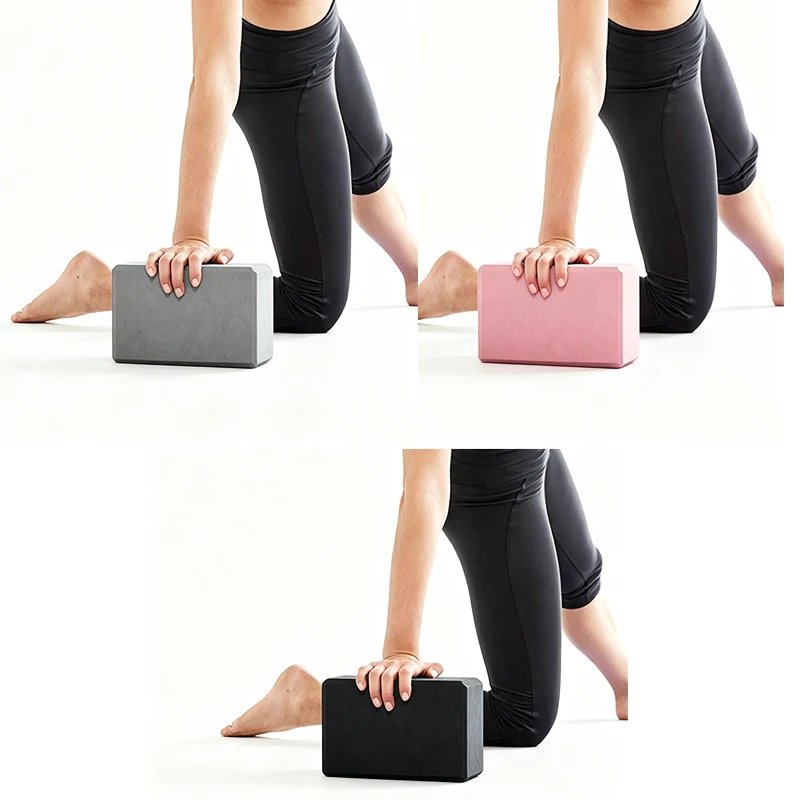
Think about a simple forward fold. If your hamstrings are tight, reaching for the floor forces you to round your spine, which defeats the entire purpose of the stretch. Place a block under your hands instead, and suddenly you can maintain proper alignment while still getting the benefits of the pose. That’s not a shortcut—that’s smart practice.
The non-slip foam construction matters more than you’d think. Cheaper blocks made from flimsy materials tend to shift or compress unexpectedly, which is the last thing you want when you’re balancing in a pose like Half Moon. A quality foam block grips your mat and holds your weight steadily, giving you the confidence to settle deeper into positions without wobbling or second-guessing your footing.
Versatility Beyond the Mat
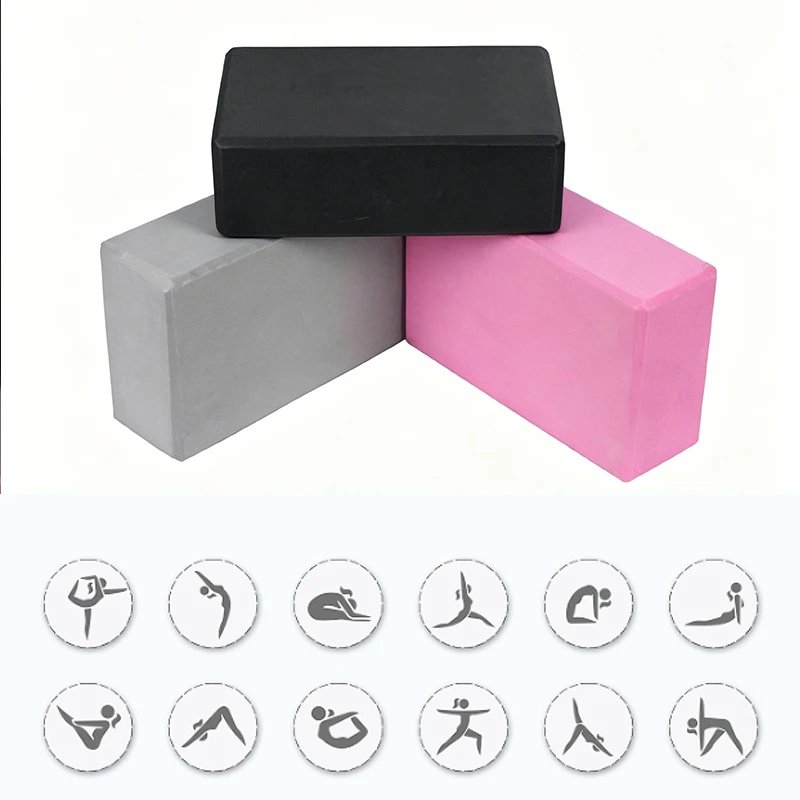
What makes a yoga block genuinely useful is how many ways you can incorporate it into your routine:
– Support for tight spots: Place it under your hips during seated poses or under your knee in low lunges for extra cushioning.
– Balance training: Use it to test your stability in standing poses, gradually working toward needing it less.
– Restorative work: Stack blocks to prop up your back or legs during gentle, meditative sequences.
– Strength building: Squeeze a block between your thighs during core work to engage muscles you might otherwise miss.
Beyond the mat, plenty of people find a block useful for general stretching, pilates, or even as a stable surface for seated meditation.
Choosing the Right One for You
Not all blocks are created equal, and the material makes a real difference. Foam blocks are lightweight and forgiving, ideal if you’re newer to using props or want something gentle on joints. They also tend to be quieter and easier to transport.
Density matters too. A block that’s too soft will compress under real pressure, undermining the stability you need in balancing poses. Look for firm, high-density foam that holds its shape over repeated use.
Size is another consideration. Standard blocks typically measure around 9x6x4 inches, which works well for most bodies, but if you’re very tall or have longer limbs, you might prefer a slightly bigger option for better reach.
Getting the Most from Your Block
A yoga block only helps if you actually use it, so don’t let it become something you unpack once and forget. Keep it within arm’s reach during practice and experiment with placing it on different sides—tall, medium, or flat—depending on how much height you need for a given pose.
If you’re practicing at home, it’s also worth testing your block’s grip on your specific mat and floor surface. A block that performs perfectly on carpet might behave differently on hardwood, so take a few minutes to get a feel for how it holds steady during your usual sequence.
Final Thoughts
A yoga block isn’t about making your practice easier in a diminishing sense—it’s about making it smarter, safer, and more sustainable long-term. Whether you’re modifying a pose, building strength, or simply looking for better alignment, this one simple tool can transform how your body experiences each stretch. If you don’t already have one on your mat, it might just be the upgrade your practice has been waiting for.