

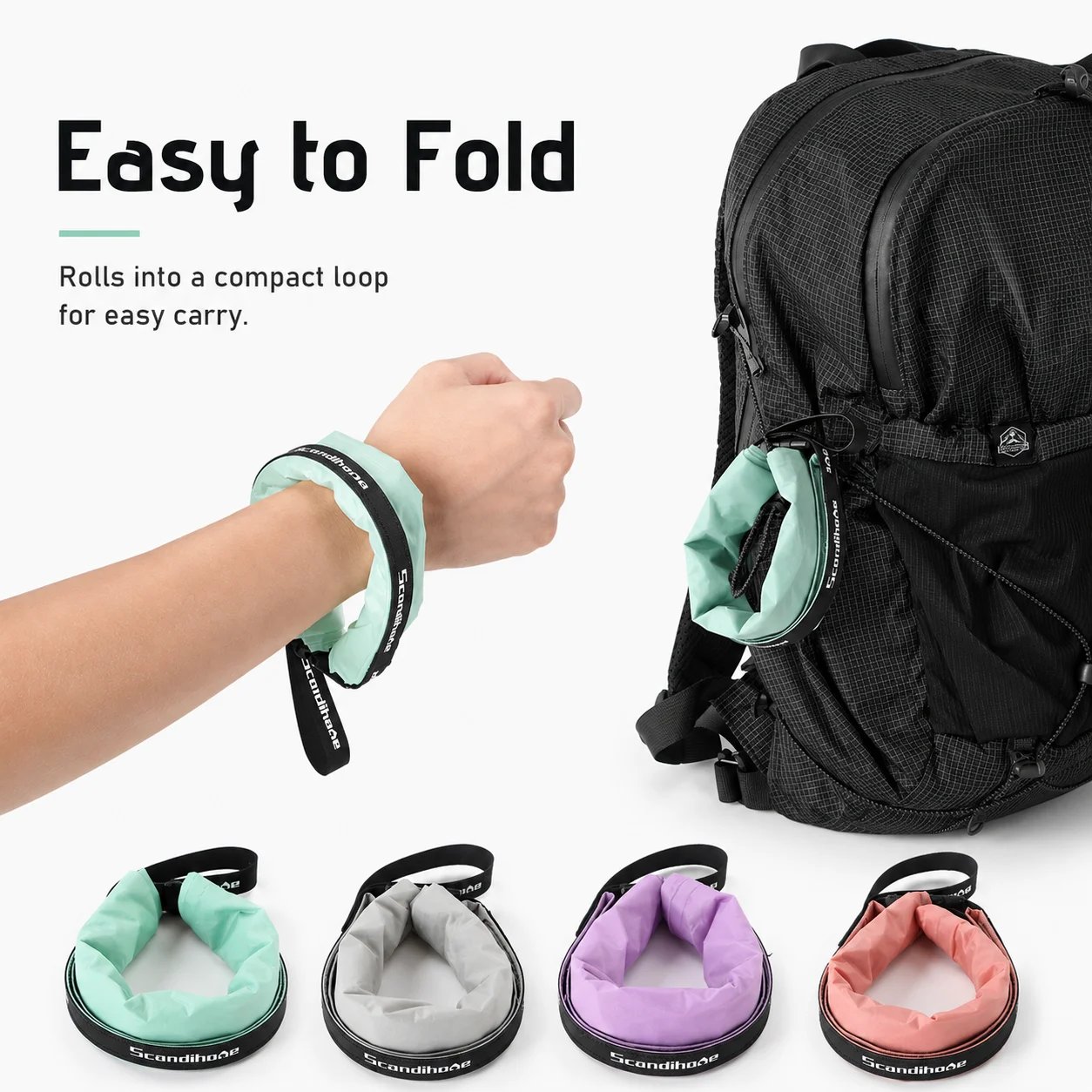
Description
Waterproof Dry Bag: Best Travel Companion for Hiking
Anyone who has spent a rainy night on the trail with soggy socks and a waterlogged sleeping bag knows the value of good gear protection. Whether you’re navigating a misty mountain trail, kayaking down a river, or simply caught in an unexpected downpour during a weekend hike, a waterproof dry bag can mean the difference between a miserable trip and a comfortable adventure. For hikers, campers, and outdoor enthusiasts alike, this simple yet ingenious piece of equipment has become an essential part of any packing list.
What Is a Waterproof Dry Bag?
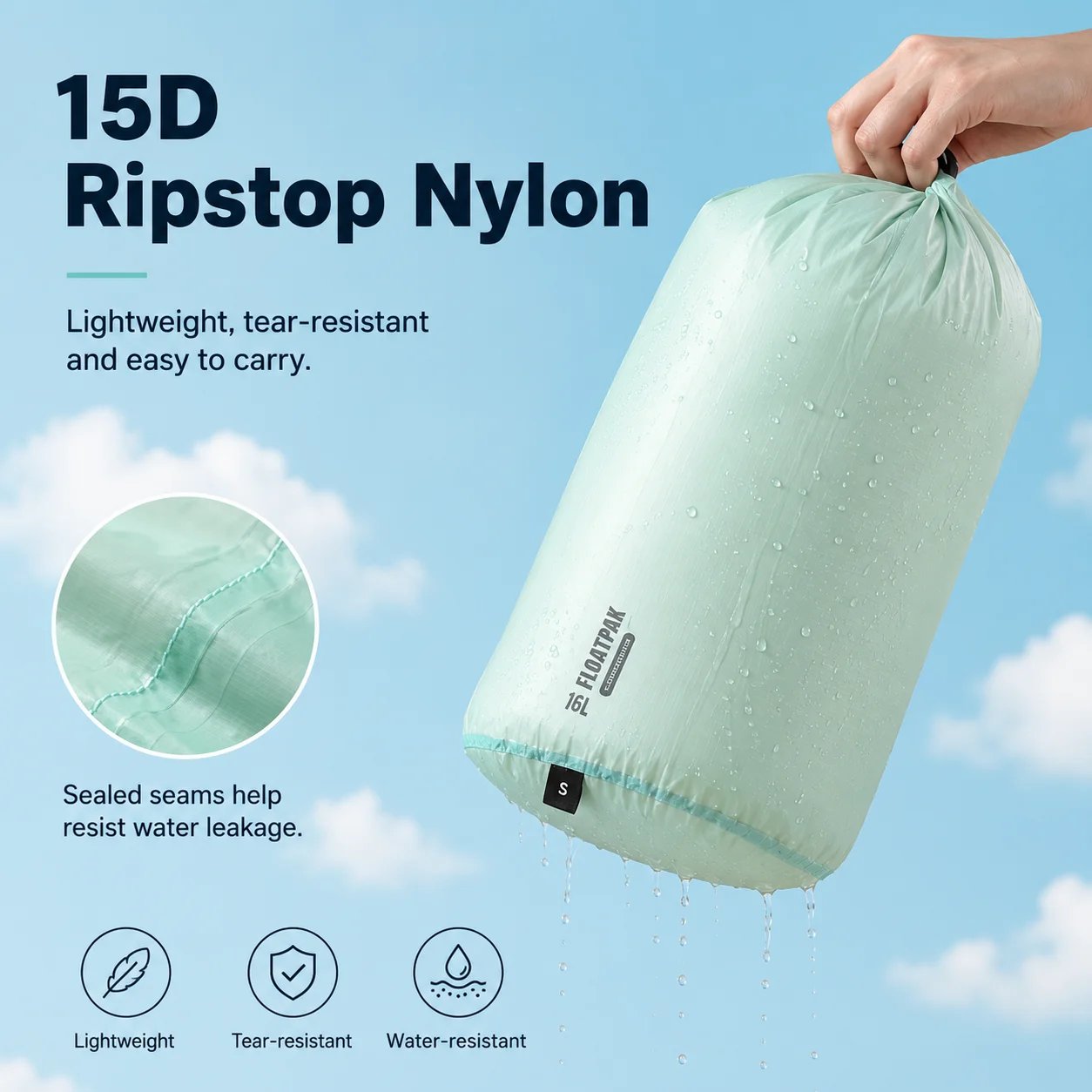
A waterproof dry bag is a flexible, sealable bag designed to keep its contents completely dry, even when submerged in water or exposed to heavy rain. Made from durable, waterproof materials like PVC, nylon, or vinyl-coated fabrics, these bags typically feature a roll-top closure system that creates an airtight and watertight seal. This design not only protects your gear from moisture but also allows the bag to float, which is especially useful during water-based activities like kayaking, rafting, or canoeing.
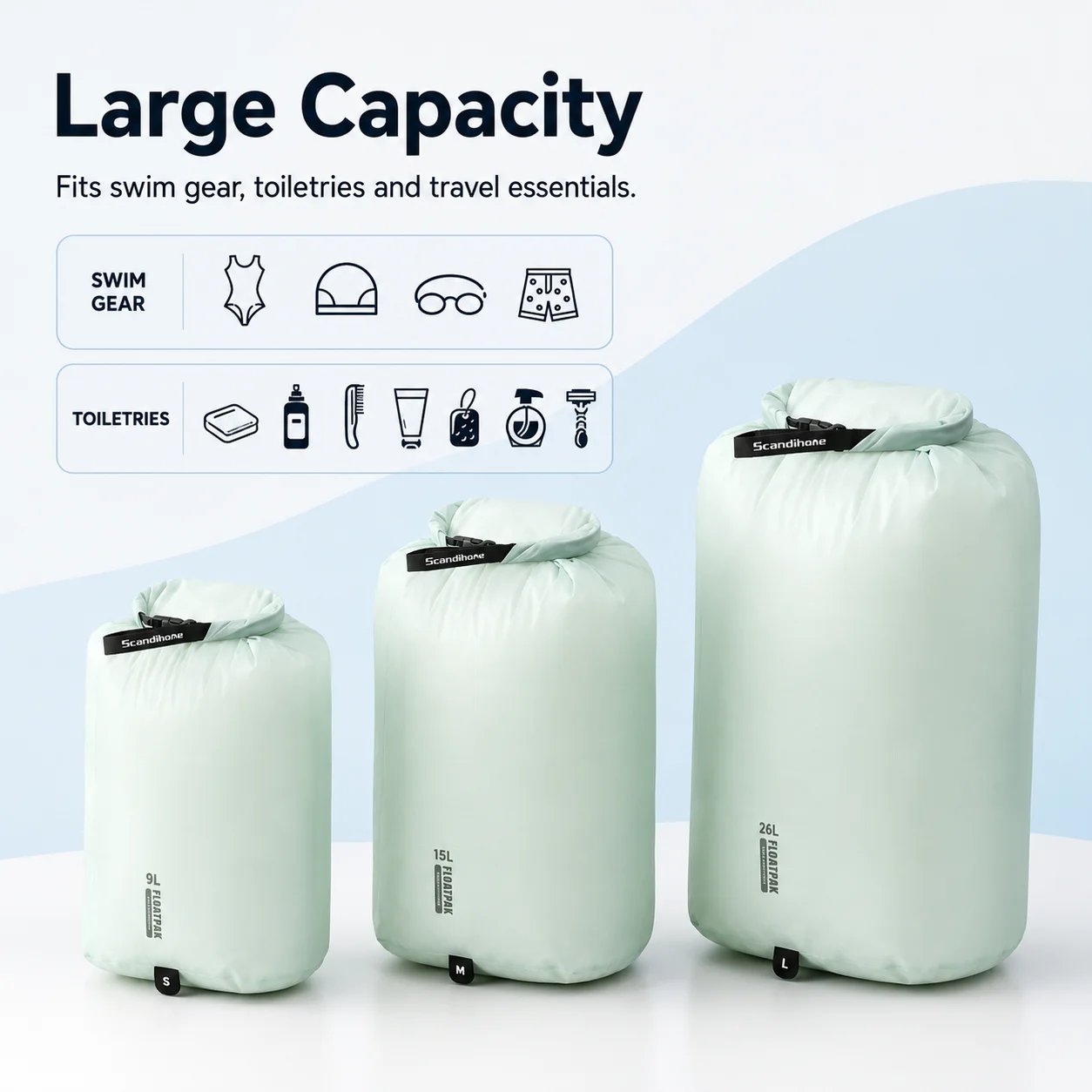
Dry bags come in a range of sizes, from small pouches meant for phones and wallets to large duffel-style bags capable of holding an entire backpacking setup. Many also include additional features like clear windows for visibility, built-in compression valves, or backpack-style straps for easier carrying.
Why Hikers Need a Waterproof Dry Bag
Hiking often means exposure to unpredictable weather conditions. A sunny morning can quickly turn into an afternoon thunderstorm, and trails near rivers or lakes pose a constant risk of accidental splashes or drops into water. Without proper protection, essential items like clothing, electronics, food, and first-aid supplies can become damaged or unusable.
Here’s why every hiker should consider investing in a waterproof dry bag:
1. Protection from the Elements
The most obvious benefit is protection against water damage. Whether it’s rain, river crossings, or morning dew, a dry bag keeps your belongings safe and dry, which is crucial for multi-day treks where dry clothing and functioning gear are vital for safety and comfort.
2. Durability for Rugged Terrain
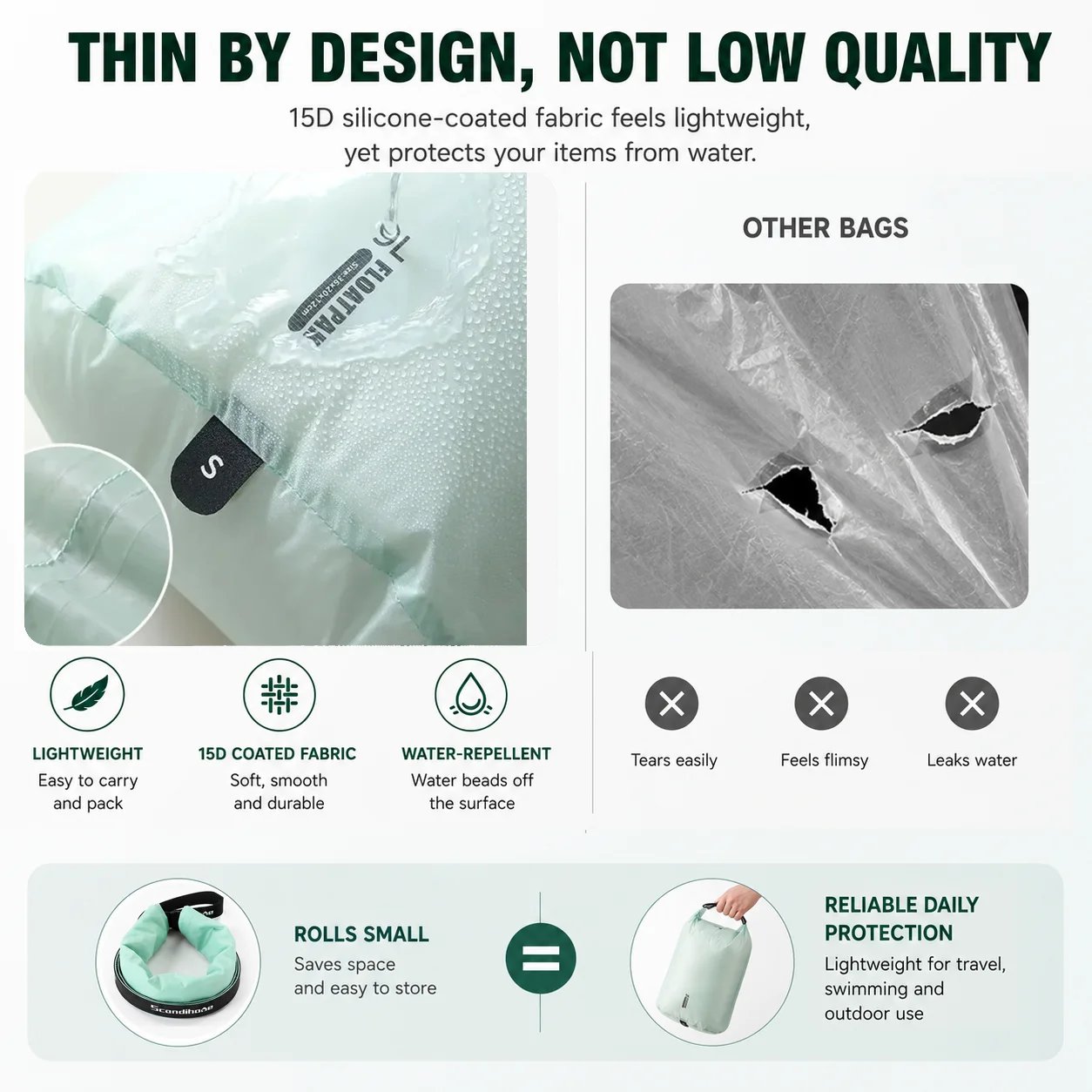
Hiking trails can be harsh on gear. Most dry bags are made from rugged, tear-resistant materials that can withstand being dragged over rocks, shoved into tight spaces, or tossed around in a backpack. This makes them ideal for rough outdoor conditions.
3. Organizational Benefits
Dry bags help hikers stay organized. Using different sizes or colors for specific items (like a red bag for first-aid supplies or a blue one for electronics) allows for quick identification and easy access, even in low-light or emergency situations.
4. Buoyancy for Water Crossings
For hikers who might encounter streams or rivers, the buoyant nature of a sealed dry bag ensures that even if it accidentally falls into the water, it won’t sink, making it easier to retrieve.
5. Versatility Beyond Hiking
While designed with outdoor adventurers in mind, waterproof dry bags are also useful for beach trips, boating, fishing, and even air travel, where spills or rain at the airport can be a concern.
Choosing the Right Dry Bag for Hiking
Not all dry bags are created equal. When selecting one for hiking, consider the following factors:
– Material Quality: Look for high-denier nylon or reinforced PVC for maximum durability.
– Size: Choose a size appropriate for your gear. Smaller bags are great for electronics, while larger ones can store clothing or sleeping bags.
– Closure System: A reliable roll-top or dry-seal zipper ensures the bag remains watertight.
– Straps and Portability: For long hikes, consider dry bags with adjustable straps or backpack-style designs for easier transport.
– Weight: Especially important for backpackers, lightweight dry bags can reduce overall pack weight without sacrificing protection.
Final Thoughts
A waterproof dry bag isn’t just a nice-to-have, it’s a smart investment for any hiker who wants to protect their gear from the unpredictable elements of the outdoors. By keeping clothing, electronics, food, and essential supplies safe from moisture, a quality dry bag ensures that your hiking experience remains enjoyable, even when the weather doesn’t cooperate. Before you hit the trail again, make sure a dependable waterproof dry bag is packed and ready to go.