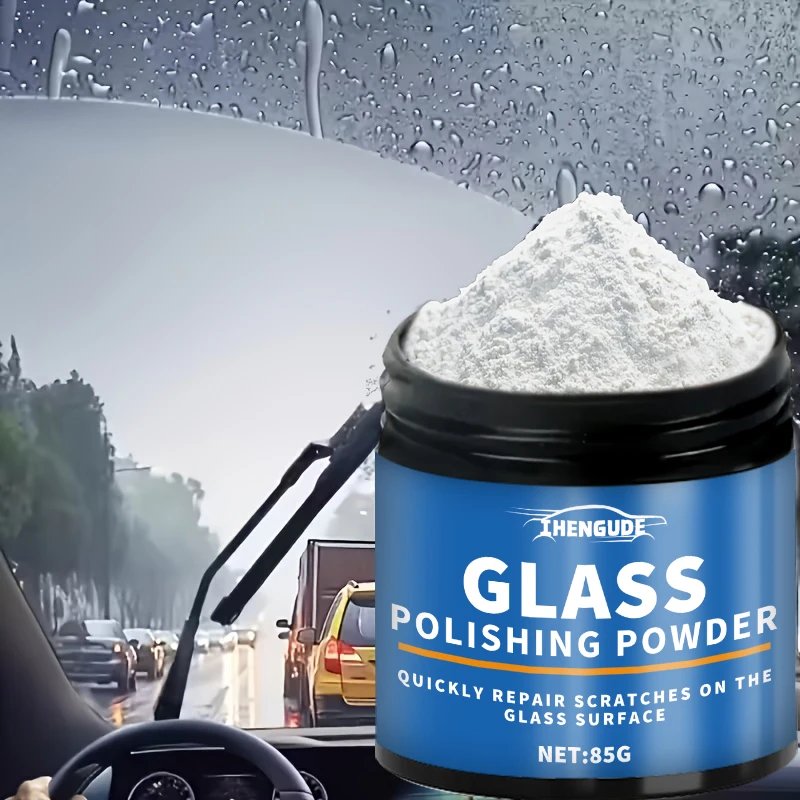

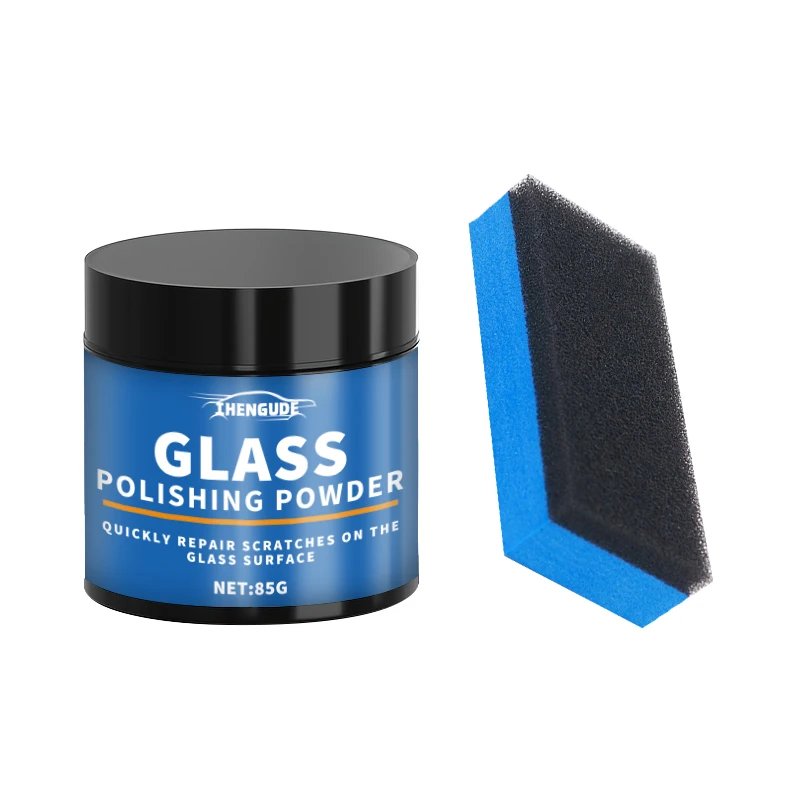
Description
Glass Polishing Powder – Best Scratch Remover for Stunning Shine
If you’ve ever looked at a scratched windshield, a cloudy glass tabletop, or a dull glass shower door and wondered if there’s a way to restore that crystal-clear shine, the answer lies in a simple yet powerful solution: glass polishing powder. This remarkable product has become the go-to choice for professionals and DIY enthusiasts alike who want to eliminate scratches and haze from glass surfaces without the expense of replacement.
What Is Glass Polishing Powder?
Glass polishing powder is a fine abrasive compound, typically made from cerium oxide, designed specifically to remove scratches, stains, water spots, and other imperfections from glass surfaces. Unlike harsh abrasives that can damage glass further, this specialized powder works at a microscopic level to gently buff away surface flaws while preserving the integrity of the glass itself.
The science behind glass polishing powder is fascinating. When mixed with water to create a slurry, the cerium oxide particles chemically react with the glass surface during the polishing process. This isn’t just mechanical abrasion—it’s a combination of mild chemical action and precise mechanical polishing that smooths out imperfections at a molecular level, resulting in a genuinely repaired surface rather than simply masking the problem.
Why Choose Glass Polishing Powder Over Other Methods?
When faced with scratched or damaged glass, many people consider expensive replacement as their only option. However, glass polishing powder offers several compelling advantages:
Cost-Effective Solution: Replacing a windshield, glass tabletop, or shower door can cost hundreds or even thousands of dollars. Glass polishing powder costs a fraction of that price and can treat multiple surfaces.
Environmentally Friendly: By repairing rather than replacing glass, you’re reducing waste and the environmental impact associated with manufacturing new glass products.
Versatility: This powder works effectively on various glass surfaces, including automotive windshields, windows, glass tables, mirrors, shower doors, and even glass cookware.
Professional Results: With proper technique, glass polishing powder can achieve results comparable to professional glass restoration services at a fraction of the cost.
Common Applications for Glass Polishing Powder
Automotive Glass Restoration
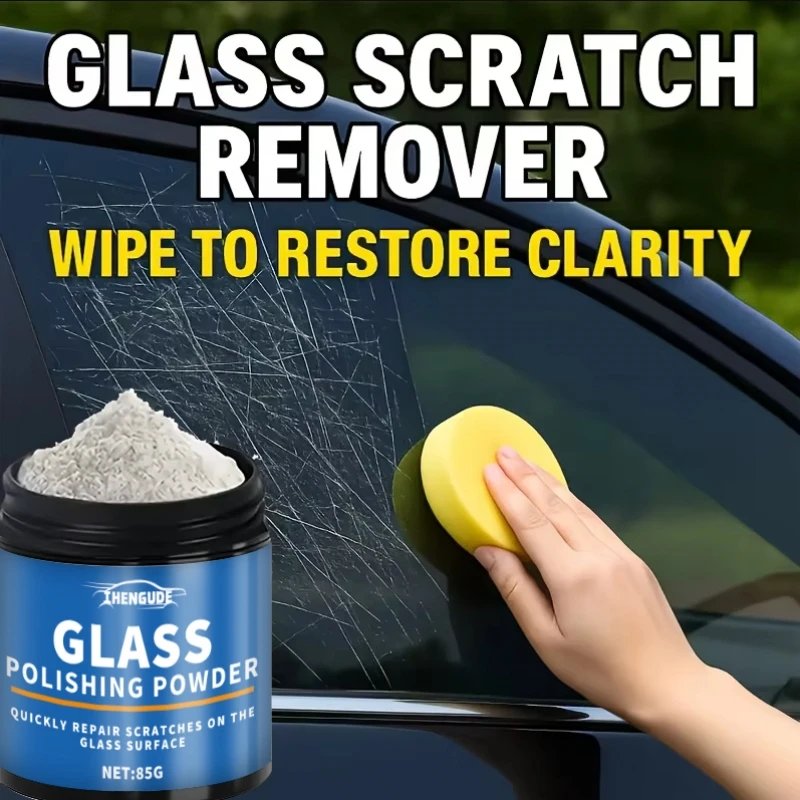
Windshields often develop scratches from wiper blades, road debris, or improper cleaning techniques. Glass polishing powder can effectively remove these imperfections, improving visibility and safety while extending the life of the windshield.
Household Glass Surfaces
From coffee tables to glass shower doors, household glass surfaces are prone to scratches, water spots, and soap scum buildup. Regular use of glass polishing powder can keep these surfaces looking pristine.
Glass Cookware and Dishes
Baking dishes and glass cookware often develop a cloudy appearance after repeated use and washing. Glass polishing powder can restore their original clarity.
Mirrors
Over time, mirrors can develop small scratches or black spots. While severe damage may require replacement, minor imperfections can often be addressed with glass polishing powder.
How to Use Glass Polishing Powder Effectively
Using glass polishing powder requires patience and proper technique for best results:
1. Clean the surface thoroughly to remove dirt, debris, and loose particles that might cause additional scratching.
2. Mix the powder with water according to package instructions to create a paste or slurry.
3. Apply the mixture to the scratched area using a soft cloth, felt pad, or polishing wheel attachment.
4. Work in circular motions with moderate pressure, periodically adding more slurry to keep the area lubricated.
5. Check your progress regularly by wiping away the residue and inspecting the surface.
6. Continue the process until the scratch is no longer visible or significantly reduced.
7. Clean and dry the surface completely once you’ve achieved the desired results.
For larger surfaces or deeper scratches, using a variable-speed polisher can significantly reduce the time and effort required, though hand polishing works well for smaller areas or minor imperfections.
Tips for Best Results
– Always test in an inconspicuous area first
– Keep the glass surface wet during polishing to prevent heat buildup
– Use appropriate safety gear, including eye protection
– Be patient—glass polishing is a gradual process
– For automotive applications, work in shaded areas to prevent the slurry from drying too quickly
Conclusion
Glass polishing powder represents an effective, affordable solution for restoring damaged glass surfaces to their original clarity and shine. Whether you’re dealing with a scratched windshield, a cloudy shower door, or stained glass cookware, this versatile product offers a practical alternative to costly replacements. By understanding how to properly use glass polishing powder and following best practices, you can achieve professional-quality results and extend the life of your valuable glass items.