


Description
Automatic Wire Stripper: Best Must-Have Crimping Tool
If you’ve ever spent precious minutes hunched over a workbench, carefully stripping wire after wire by hand, you already know the frustration. One slip of a manual stripper and you’ve nicked the copper strands, potentially creating a weak point that fails months later in a critical application. This is exactly why an automatic wire stripper has become indispensable equipment for electricians, hobbyists, and manufacturing professionals alike.
What Makes an Automatic Wire Stripper Different
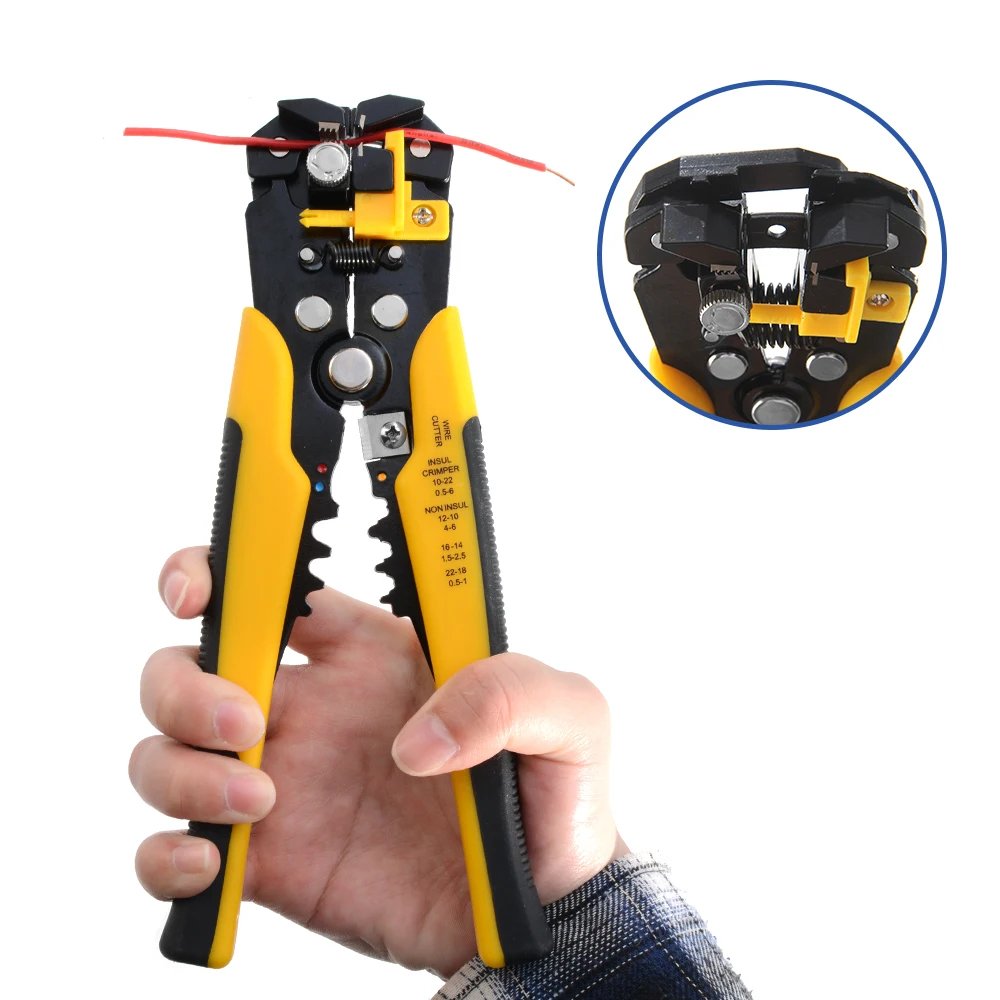
Unlike traditional manual strippers that require you to judge pressure and angle with each squeeze, an automatic wire stripper handles the entire process with mechanical precision. You simply insert the wire, and the tool grips, strips, and often cuts the wire to length in a single motion. This isn’t just about convenience—it’s about consistency. Every single strip comes out identical, which matters enormously when you’re working on projects where reliability is non-negotiable.
The internal mechanism typically uses spring-loaded jaws calibrated to grip the outer insulation while avoiding contact with the conductive wire beneath. When you squeeze the handles, the tool simultaneously clamps down and pulls, removing insulation cleanly without the guesswork that plagues manual methods.
Why Professionals Consider It a Must-Have Crimping Tool
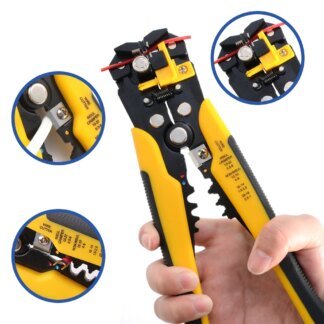
Many electricians and technicians don’t just use an automatic wire stripper as a standalone device—they pair it with crimping functions, making it a true multi-purpose crimping tool. This dual functionality means fewer tools cluttering your workspace and faster transitions between stripping and crimping tasks.
Consider a scenario where you’re wiring a control panel with dozens of connections. Switching between a separate stripper and crimper for each wire wastes time and increases the chance of error. A combined automatic wire stripper and crimping tool streamlines this workflow considerably, letting you move from bare wire to finished connection in seconds.
The time savings compound quickly. What might take an hour with manual tools can often be completed in a fraction of that time, which matters whether you’re billing hourly for electrical work or racing to finish a weekend project before dinner.
Key Features to Look For
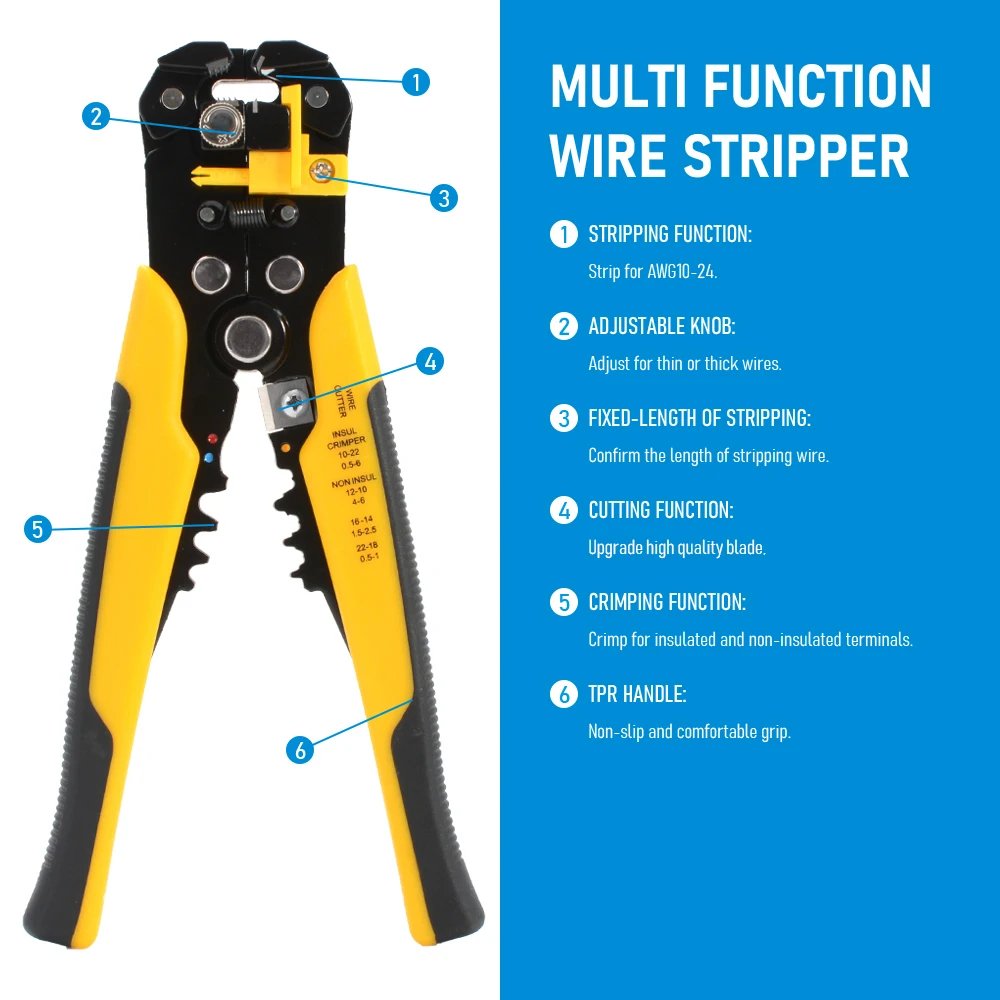
Not all automatic wire strippers are created equal. Adjustable wire gauge settings are essential since you’ll likely work with various wire sizes across different projects. Look for tools that accommodate a wide range, typically from 10 AWG to 24 AWG or beyond, depending on your typical workload.
Durability matters too. The jaws and internal spring mechanisms endure significant stress over thousands of cycles, so quality materials—often hardened steel components—extend the tool’s usable life considerably. Ergonomic handle design also deserves attention, especially if you’re using the tool repeatedly throughout a workday.
Some models include additional features like built-in wire cutters, allowing you to trim excess length before stripping. Others offer adjustable stripping length settings, giving you control over exactly how much insulation gets removed.
Choosing the Right Tool for Your Needs
Hobbyists working occasionally on small electronics projects might not need the same heavy-duty automatic wire stripper that a professional electrician requires daily. Consider your typical wire gauge range, frequency of use, and whether integrated crimping functionality adds value to your specific work.
Budget options exist for casual users, while professional-grade tools command higher prices but deliver corresponding durability and precision. Reading reviews from users with similar applications can help narrow down choices before committing to a purchase.
Final Thoughts
Whether you’re a professional electrician making dozens of connections daily or a hobbyist tackling occasional wiring projects, an automatic wire stripper eliminates much of the frustration associated with manual stripping. Combined with crimping capabilities, it becomes an efficient, versatile tool that justifies its place in any well-equipped toolkit. The investment pays dividends in saved time, reduced errors, and consistently clean strips that support reliable electrical connections for years to come.