
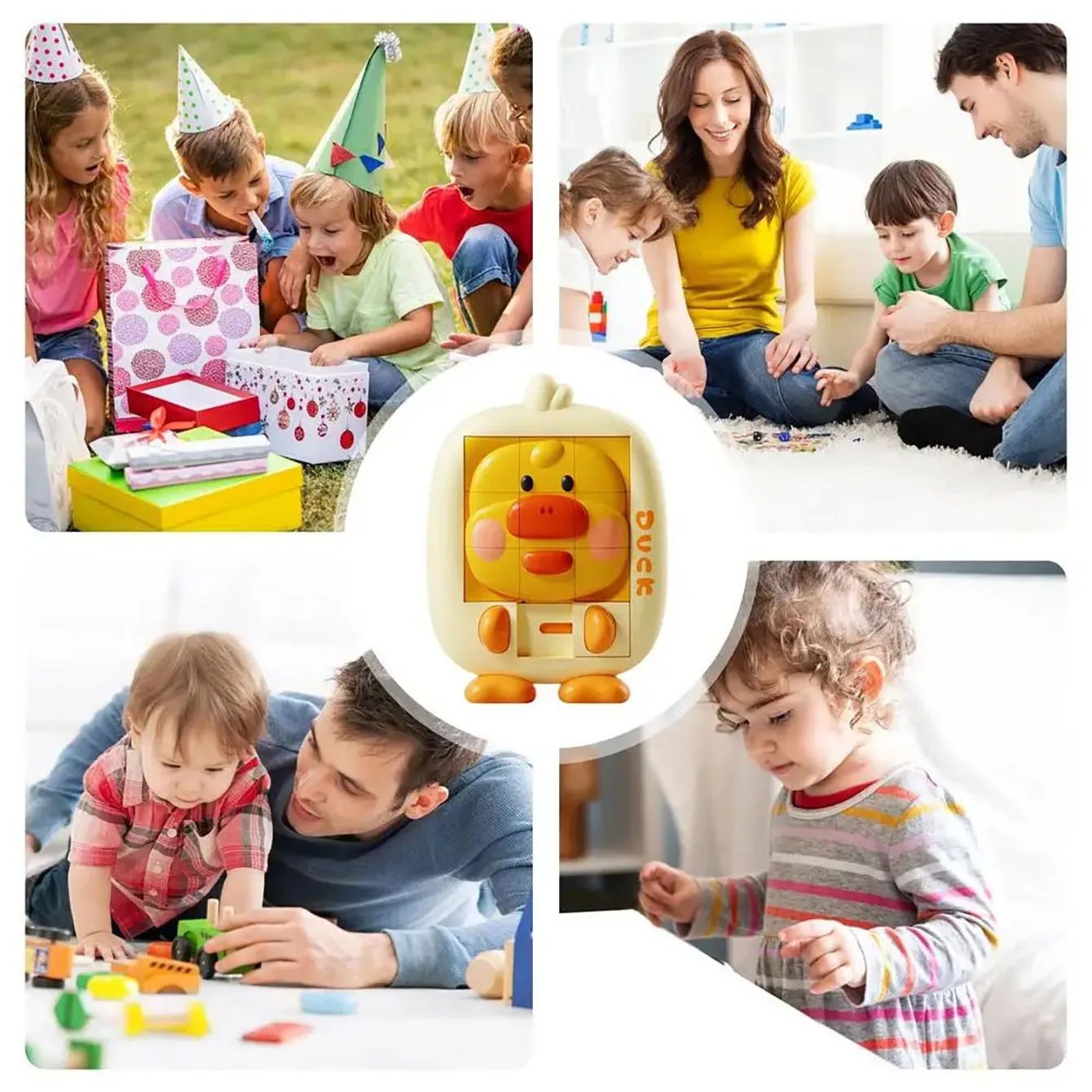
Description
3D Slide Puzzles: Must-Have Brain Teaser for Best Learning Fun
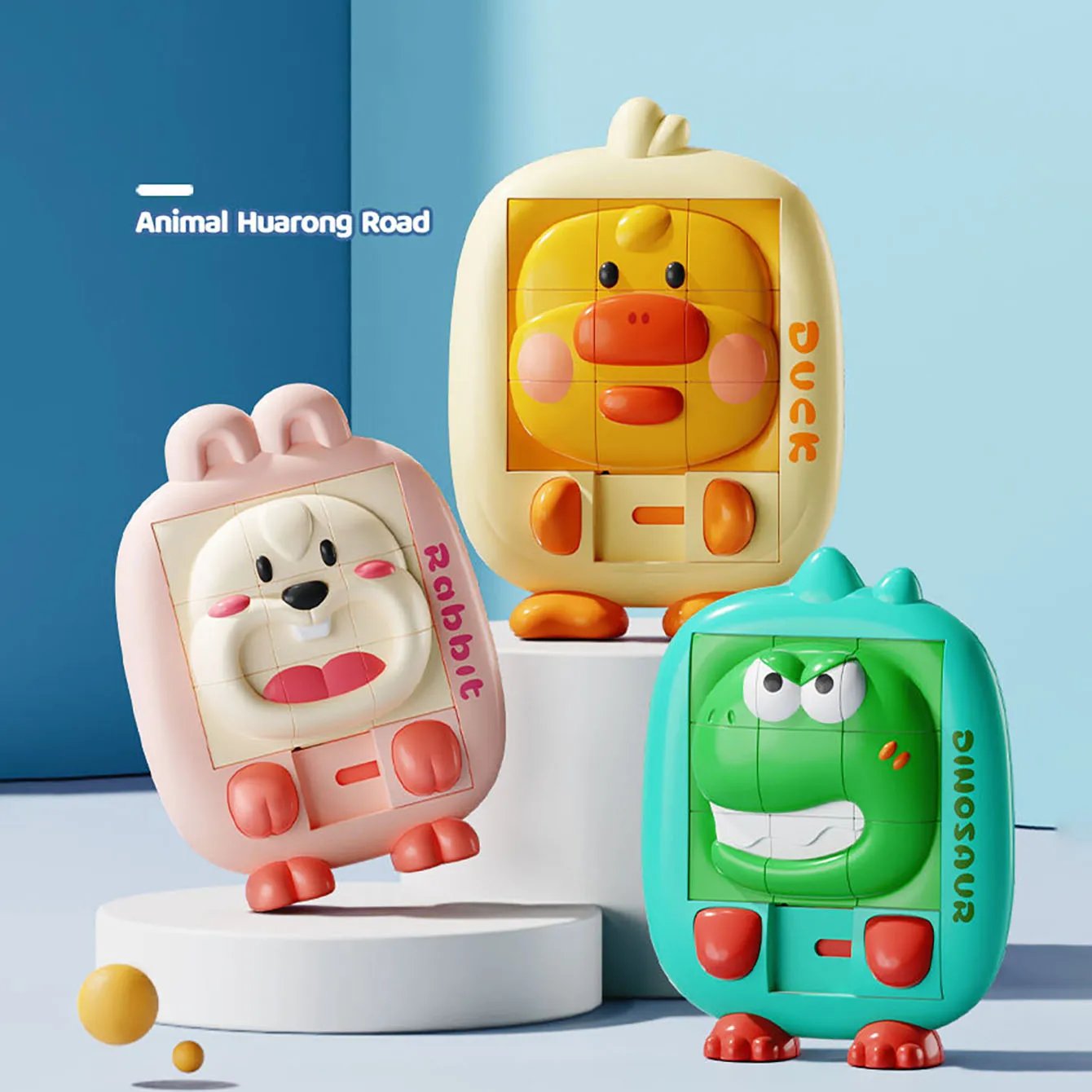
If you’ve ever watched a child’s face light up while solving a tricky puzzle, you know there’s something magical about the right kind of challenge. Enter 3D slide puzzles—a brilliant evolution of the classic sliding tile game that’s capturing the attention of parents, educators, and puzzle enthusiasts alike. These aren’t your grandmother’s flat puzzles; they’re immersive, multi-dimensional brain teasers that transform screen time into something far more productive and engaging.
What Makes 3D Slide Puzzles Different?
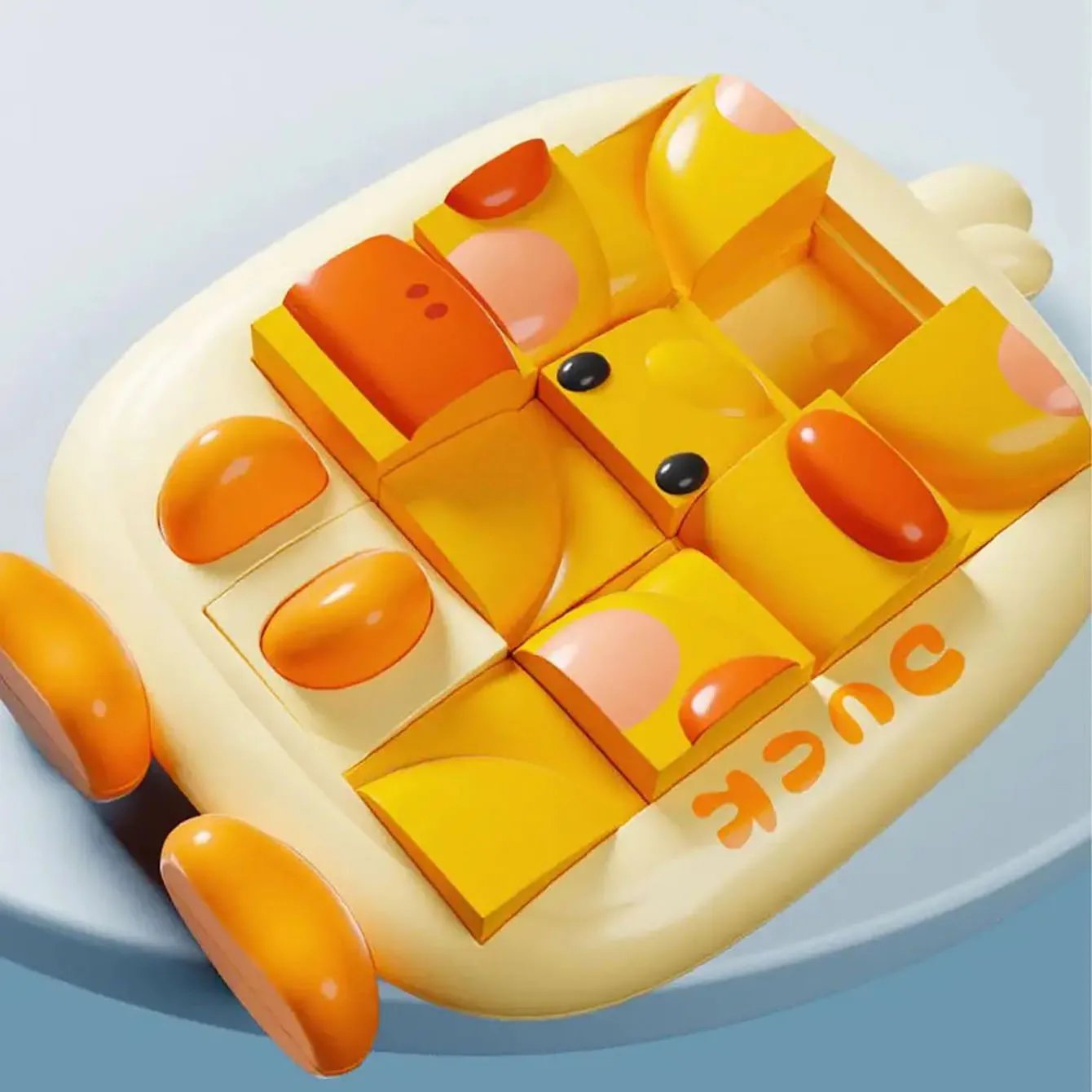
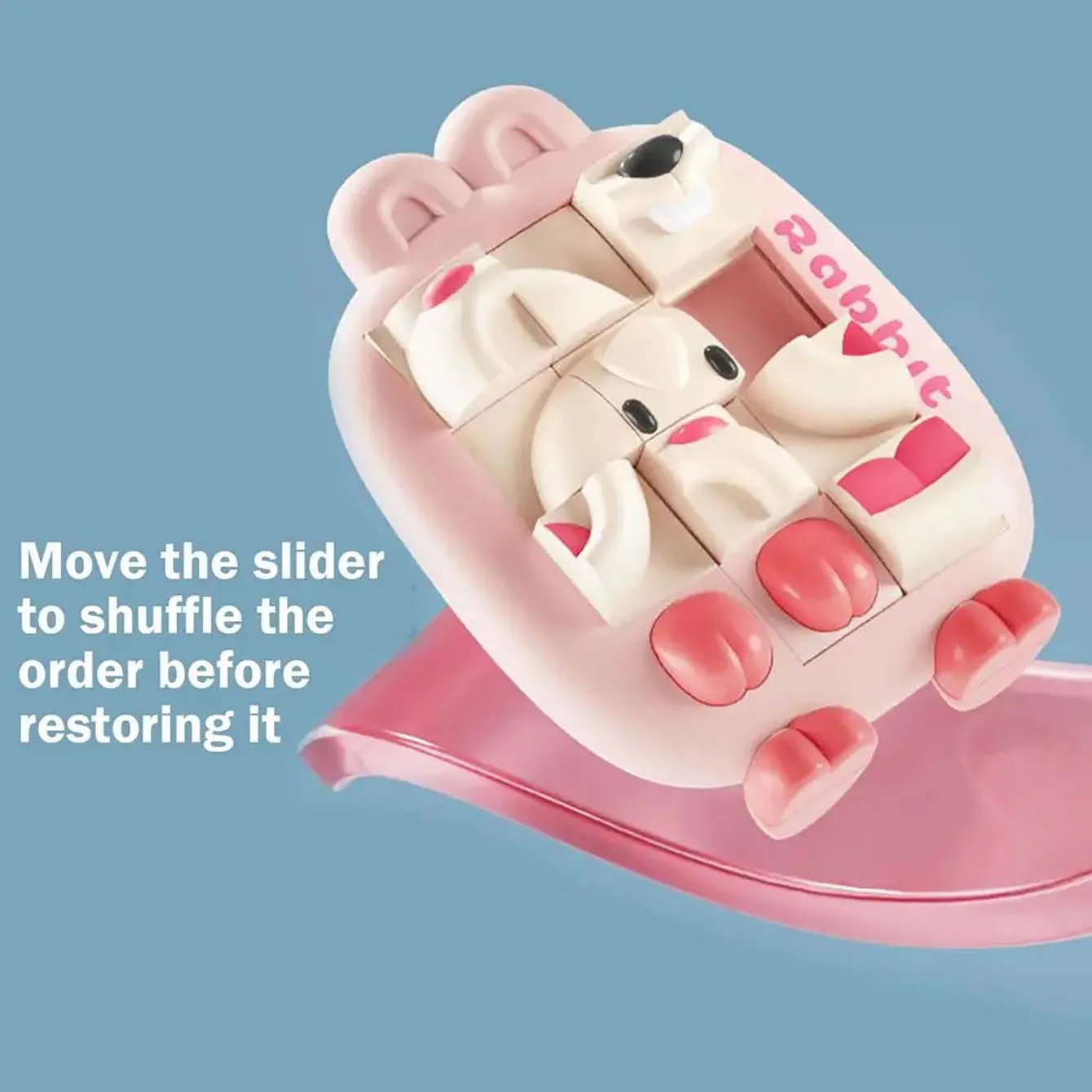
Traditional sliding puzzles have been around for over a century, typically featuring a flat grid where you shuffle numbered or pictured tiles into the correct order. 3D slide puzzles take this concept and add depth—literally. Instead of working with a single plane, players navigate multiple layers, rotating sides, or interconnected planes that require spatial reasoning skills traditional puzzles simply can’t match.
Think of it as the difference between checkers and chess. Both are strategic games, but one demands a more sophisticated understanding of space, movement, and consequence. That’s exactly what 3D slide puzzles bring to the table.
The Learning Benefits Are Real
Here’s what makes these puzzles genuinely valuable rather than just another passing trend:
Spatial reasoning development sits at the core of why educators love these puzzles. Kids (and adults) must visualize how pieces move in three-dimensional space, a skill that directly correlates with success in fields like engineering, architecture, and mathematics.
Problem-solving skills get a serious workout too. Unlike puzzles with a single obvious solution path, 3D slide puzzles often require players to think several moves ahead, anticipate consequences, and sometimes backtrack when a strategy doesn’t pan out. This mirrors real-world problem-solving far more accurately than simpler games.
Patience and persistence naturally develop as players work through increasingly complex configurations. There’s no shortcut—you either put in the mental effort or you don’t progress. This builds genuine resilience rather than the instant-gratification mindset so many digital games encourage.
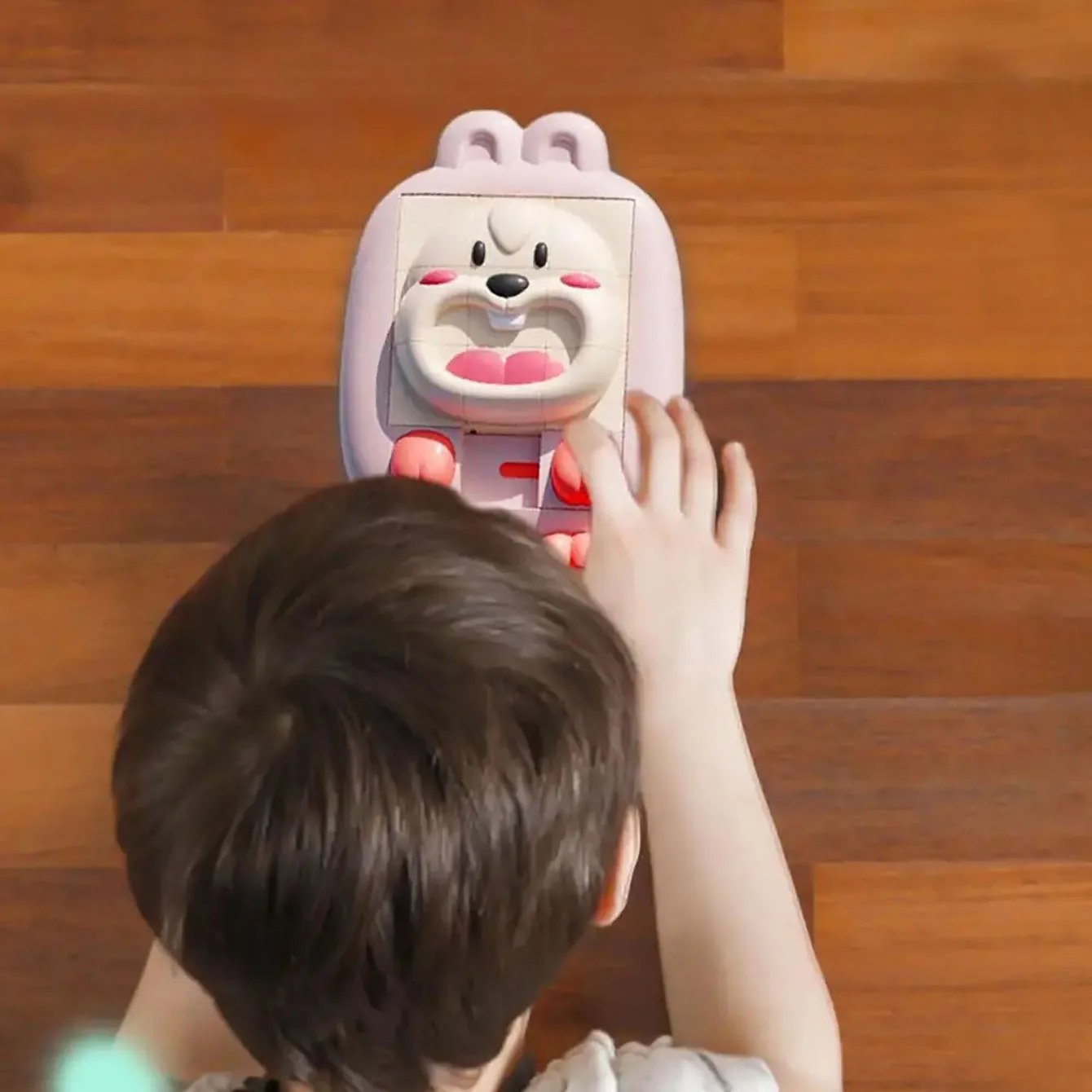
Fine motor skills benefit from the physical manipulation required, especially in physical (non-digital) versions where precise finger movements guide pieces into place.
Finding the Right Puzzle for Your Needs
Not all 3D slide puzzles are created equal, and the market now offers options spanning multiple skill levels and interests.
For beginners, simpler 3x3x3 cube variations provide an accessible entry point. These introduce core concepts without overwhelming new players. As confidence builds, progressing to 4x4x4 or 5x5x5 versions ramps up complexity significantly.
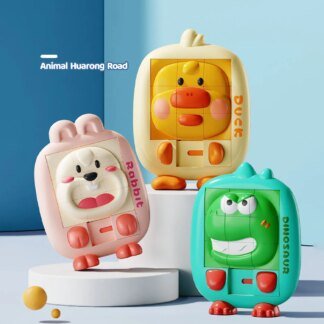
Beyond basic cubes, you’ll find themed variations—puzzles shaped like spheres, pyramids, or even irregular polyhedrons that add fresh challenges. Some incorporate color patterns, others use images or numbers, and premium versions often feature glow-in-the-dark elements or magnetic pieces for smoother operation.
Digital versions deserve mention too. Mobile apps and computer programs now offer virtual 3D slide puzzles that simulate the physical experience while adding features like undo buttons, hint systems, and progress tracking—helpful for beginners still developing their spatial skills.
Making Learning Fun Again
What truly sets 3D slide puzzles apart is their ability to disguise rigorous mental exercise as genuine entertainment. Nobody feels like they’re studying when they’re twisting and turning a colorful cube, yet the cognitive benefits rival dedicated educational programs.
This matters enormously in today’s educational landscape, where engagement has become the biggest hurdle to overcome. Kids who’d never voluntarily open a workbook will happily spend hours mastering a challenging puzzle, not realizing they’re simultaneously developing critical thinking skills that’ll serve them throughout life.
Parents and teachers report that children who regularly engage with these puzzles show improved focus during other tasks too—a cognitive spillover effect that extends the benefits well beyond puzzle-solving sessions.
Final Thoughts
3D slide puzzles represent that rare category of toy or game that’s both genuinely entertaining and legitimately beneficial for cognitive development. Whether you’re looking for a gift that’ll actually get used, a classroom tool that engages reluctant learners, or simply a satisfying personal challenge, these puzzles deliver on multiple fronts.
The investment in time and modest cost pays dividends in developed spatial reasoning, strengthened problem-solving abilities, and the simple joy of mastering something genuinely challenging. In a world full of passive entertainment options, that’s worth celebrating.