



Description
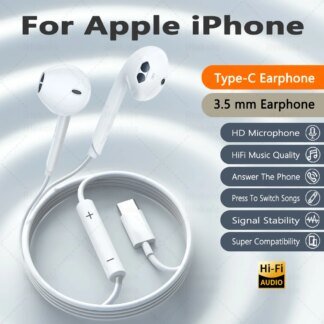
USB C Earphones: Exclusive Best Wired Sound for iPhone
The launch of the iPhone 17 has officially closed the chapter on Apple’s Lightning port, ushering in a new era where USB C earphones are no longer just an accessory—they’re a necessity. If you’re one of the millions of users who still believe in the unmatched clarity of wired audio, you’re probably searching for the best USB C earphones to pair with your new device. This transition has sparked both confusion and relief: confusion for those with boxes of old Lightning accessories, and relief for the Android users finally feeling a sense of cross-platform unity.
For years, wired audio was synonymous with the 3.5mm jack or, for Apple users, the Lightning connector. Now, USB C earphones have become the universal bridge connecting high-fidelity sound to our most essential devices. Whether you’re a professional editor needing zero-latency monitoring or a commuter wanting to block out train noise without worrying about battery levels, USB C earphones offer a compelling, often overlooked alternative to the wireless craze.
In this comprehensive guide, we will explore why wired is making a comeback, what to look for in the best USB C earphones for your iPhone 17, and address the burning question: does sound quality actually get better with a direct digital connection?
The Great Shift: Why USB C Earphones Are Taking Over
The move to USB-C across Apple’s entire ecosystem—including the iPhone 17 series—wasn’t just a design choice; it was a technical evolution. The Lightning port, while revolutionary a decade ago, limited data transfer speeds and power delivery compared to the modern USB-C standard.
For audio specifically, this shift matters immensely. Since the iPhone 7 removed the headphone jack, audio signals have had to be processed digitally and converted via a Digital-to-Analog Converter (DAC) either inside the phone or inside the earphone itself (in the case of Lightning headphones). With the move to USB C earphones, this process remains similar, but the hardware capabilities are significantly expanded.
Unlike the proprietary nature of Lightning, USB-C is an open, global standard. This means the engineering behind USB C earphones can be more standardized, often resulting in better components, wider availability, and more competitive pricing. You are no longer locked into using only Made for iPhone (MFi) certified cables for basic functionality, although for audio, having an MFi chip is still often necessary.
Superior Sound: The Technical Edge of Wired Connections
Why choose USB C earphones over the convenience of AirPods or other Bluetooth alternatives? The answer lies in the science of data transmission.
Bluetooth audio, despite recent advancements in codecs like aptX Lossless or LDAC, still relies on compression to transmit audio wirelessly. This compression can lead to a loss of data, resulting in audio that, while good, isn’t a perfect replica of the studio master.
USB C earphones, on the other hand, utilize a wired digital connection. This allows for:
1. Bit-Perfect Audio: The digital signal travels from the phone’s memory to the DAC in the earphones without compression artifacts.
2. Zero Latency: This is crucial for video editors, gamers, or musicians. The audio-visual sync is instant, with no noticeable lag between what you see and what you hear.
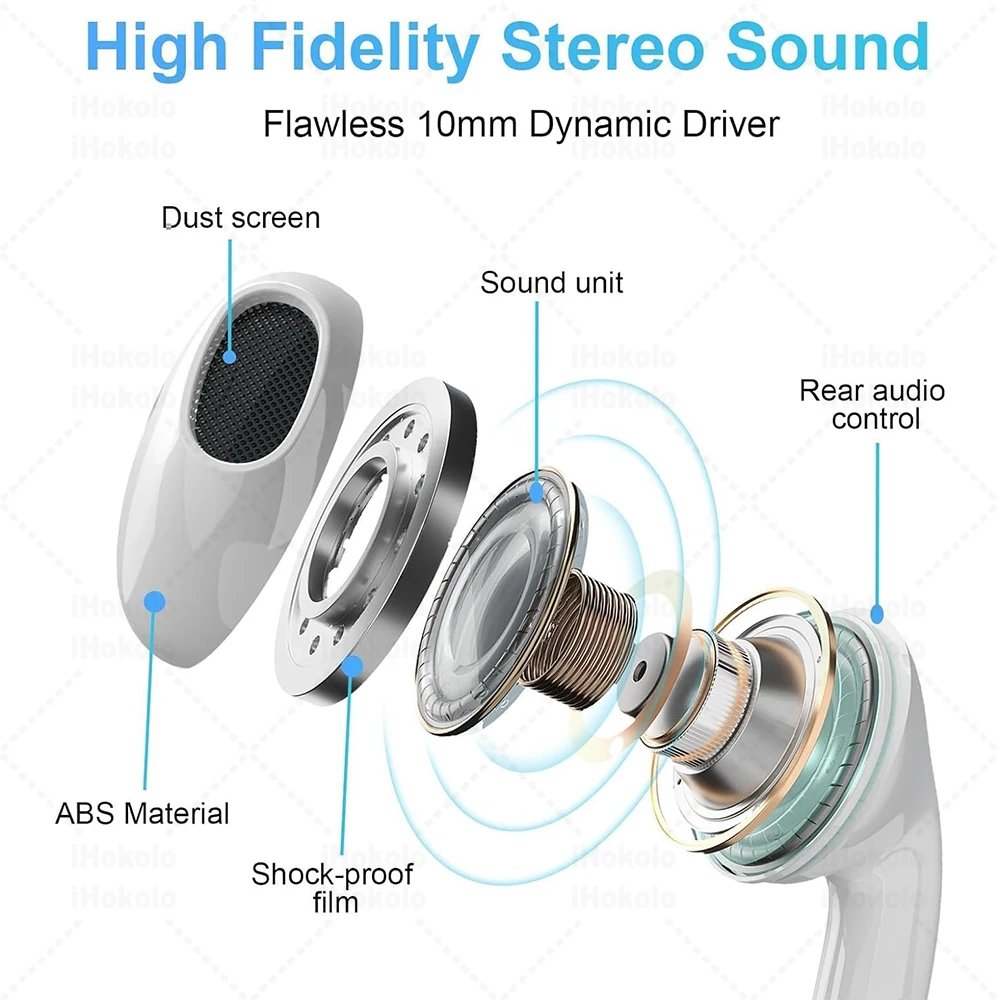
3. Dedicated DACs: Because the earphone utilizes an external DAC via the USB C port, it is possible to achieve much higher power output and finer audio detail than the internal chip of previous iPhone models could provide, leading to richer bass and clearer trebles.
This technical edge makes USB C earphones the go-to choice for audiophiles who refuse to compromise on quality for the sake of convenience.
Choosing the Best USB C Earphones for the iPhone
With the market flooding with options, how do you select the best pair?
1. MFi Certification is Non-Negotiable
To ensure your USB C earphones work seamlessly with the iPhone 17’s software restrictions and to access features like inline volume control and microphone input, look for the Made for iPhone badge. Non-certified earphones might still produce sound, but often lack microphone functionality or volume control integration.
2. Check the DAC Specifications
High-end USB C earphones often advertise their DAC chip (e.g., CS43198 or similar). A better DAC generally translates to a wider dynamic range and lower distortion, giving you a more premium listening experience.
3. Build Quality and Comfort
Since you are tethered to your device, the weight and flexibility of the cable matter. Look for braided cables to prevent tangling and ergonomic ear tips for long-term comfort during those marathon work sessions.
4. Inline Controls
The best USB C earphones for the iPhone 17 should offer intuitive, tactile controls for play/pause, volume, and track skipping, allowing you to manage your audio without pulling out your phone.
The Future is Wired (Again)
While the industry pushes hard for wireless everything, the resurgence of USB C earphones proves that wired audio still holds a significant place in the hearts of consumers. With the iPhone 17 fully embracing this standard, we expect to see an explosion of innovation in this space, bringing audiophile-grade sound to the masses without the hassle of charging another device.
Investing in a quality pair of USB C earphones isn’t just about compatibility; it’s about futureproofing your audio setup in a world that is finally converging on a single, universal standard.