
Description
Hanging Strawberry and Tomato Planter Bags – Best Must-Have Garden Essential
If you love the idea of growing your own fresh strawberries and juicy tomatoes but don’t have the sprawling backyard or garden plot to do it, you’re in luck. Hanging Strawberry and Tomato Planter Bags are quickly becoming one of the most popular solutions for home gardeners who want big harvests without the hassle of traditional in-ground planting. Whether you’re working with a small balcony, a sunny patio, or just want to save space in your backyard, these planter bags offer a smart, simple, and surprisingly effective way to grow your own produce.
In this article, we’ll explore why Hanging Strawberry and Tomato Planter Bags have become such a must-have garden essential, how they work, their benefits, and tips for getting the most out of them.
What Are Hanging Strawberry and Tomato Planter Bags?
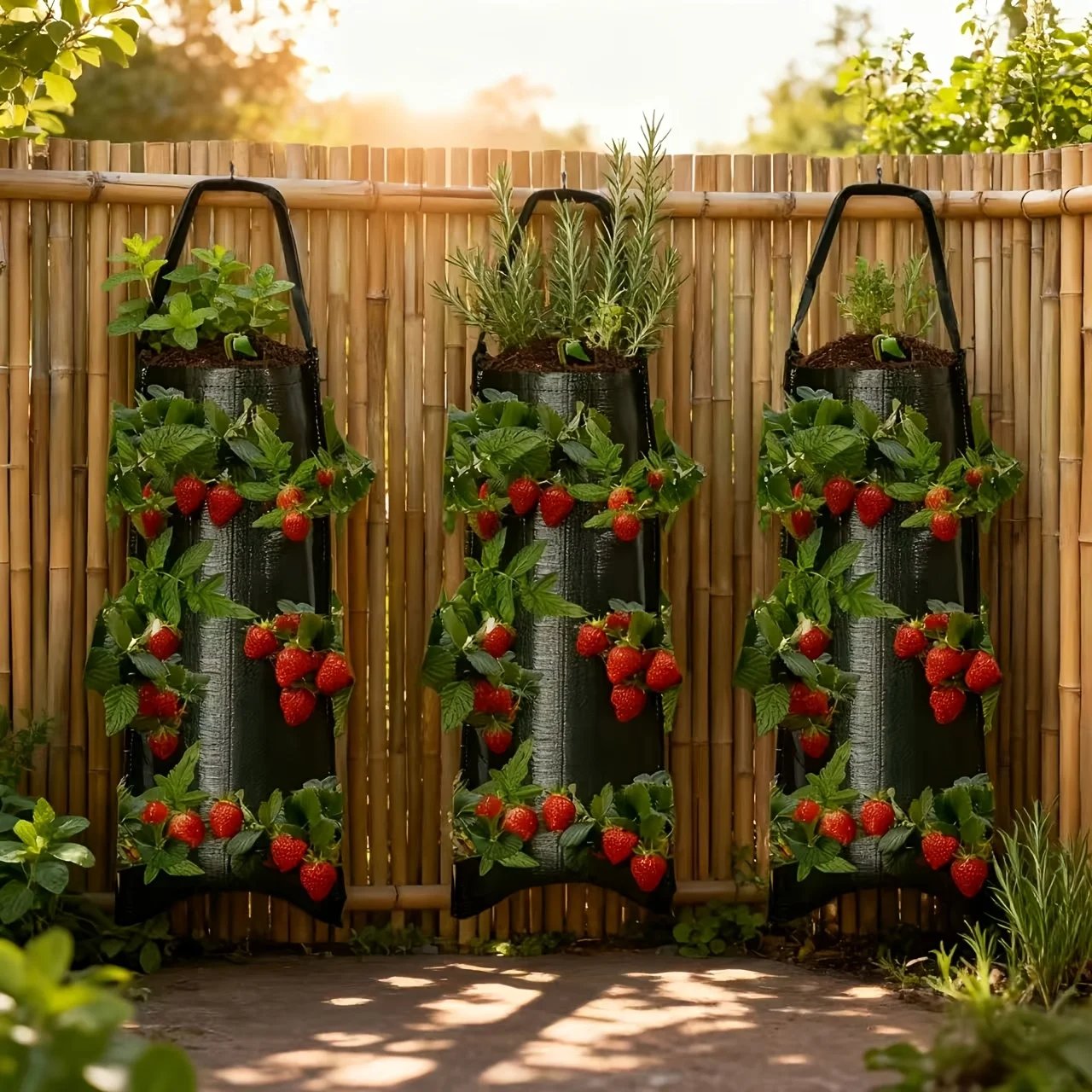
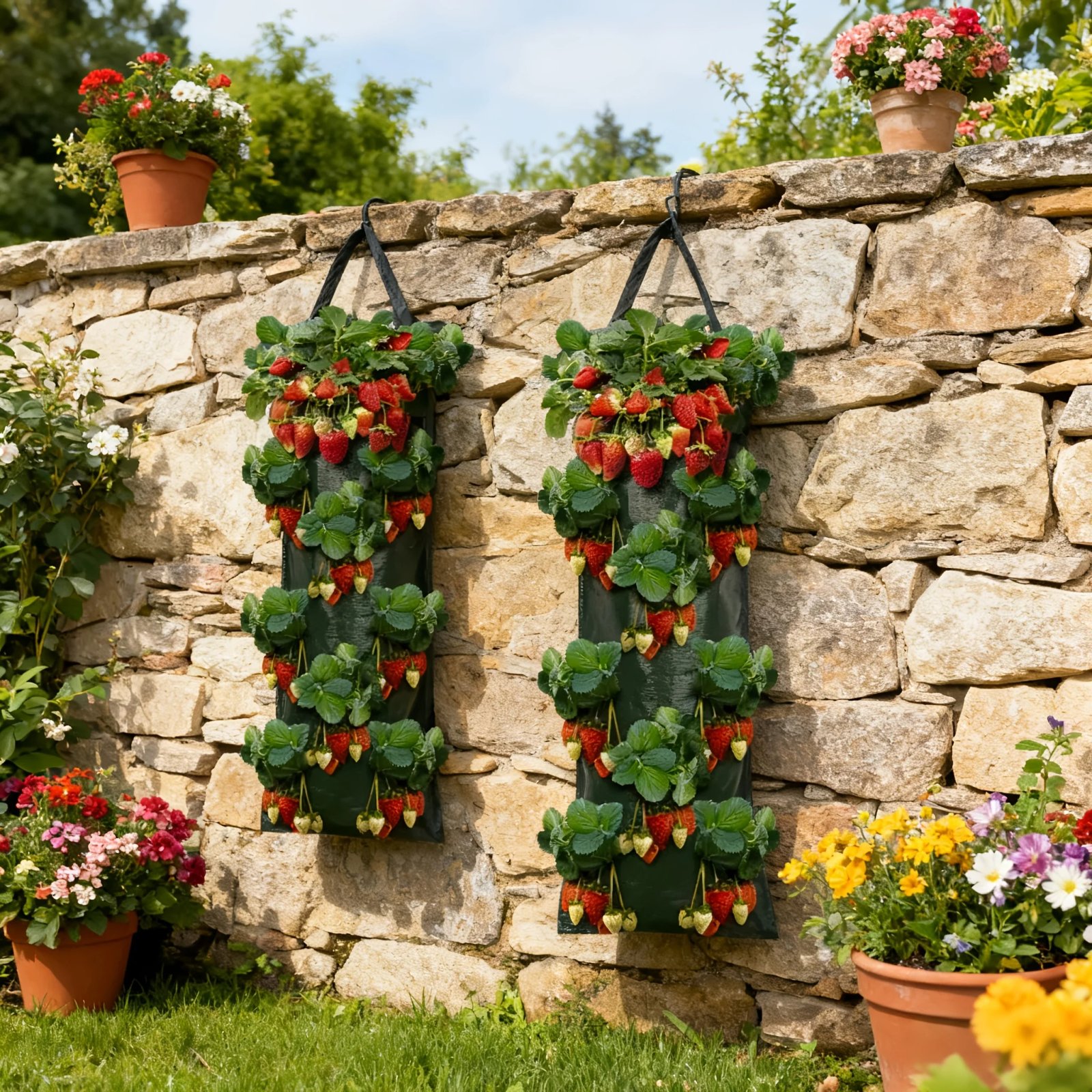
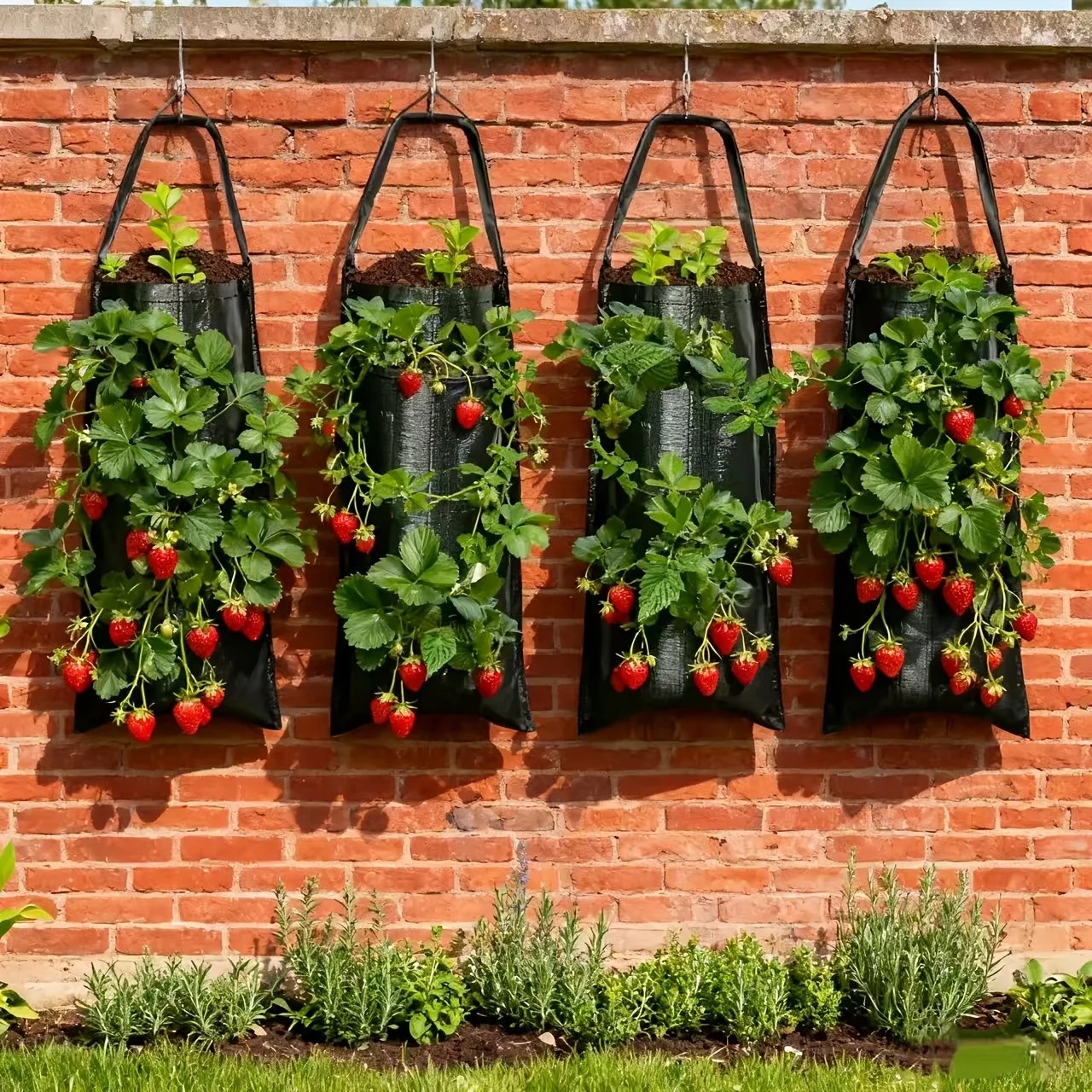
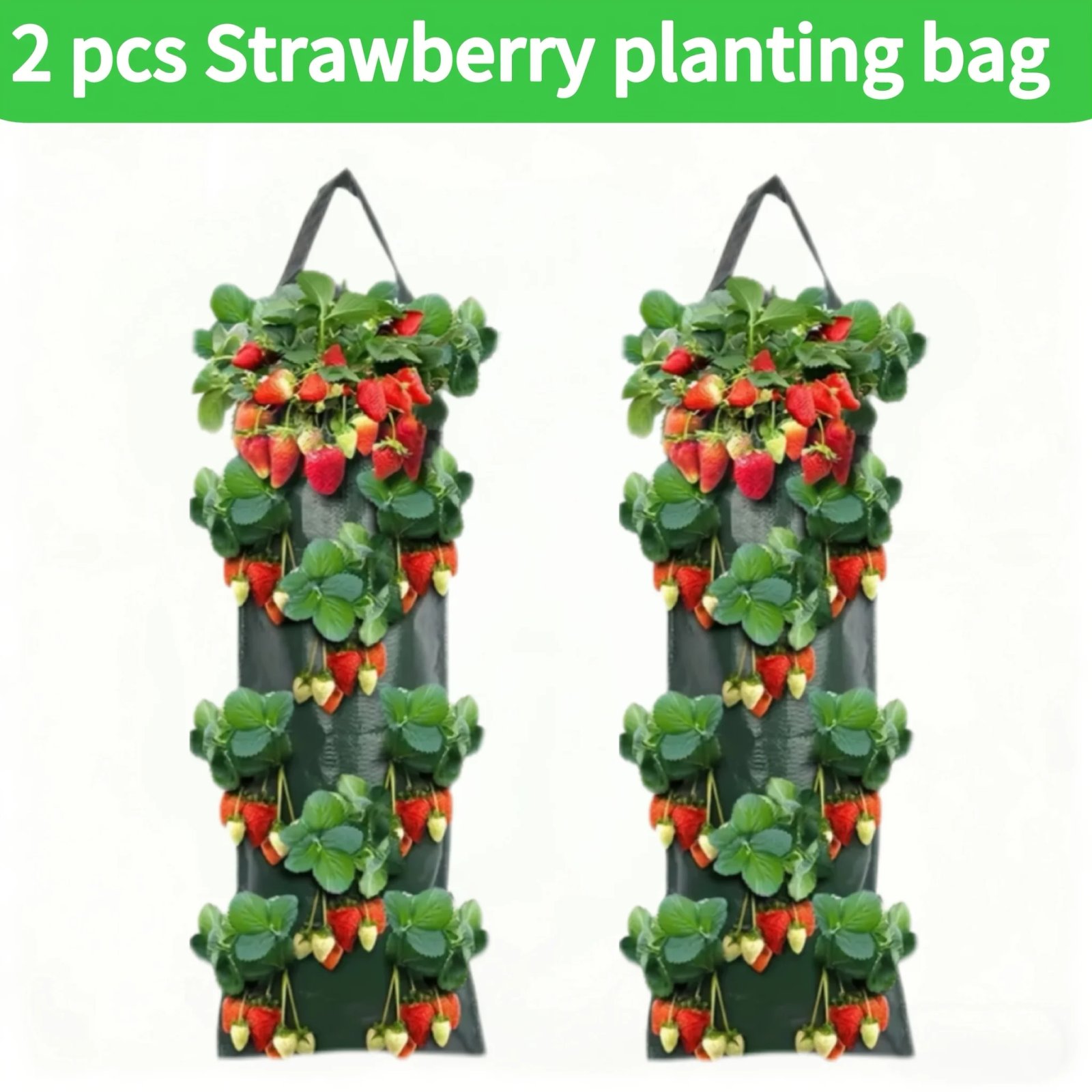
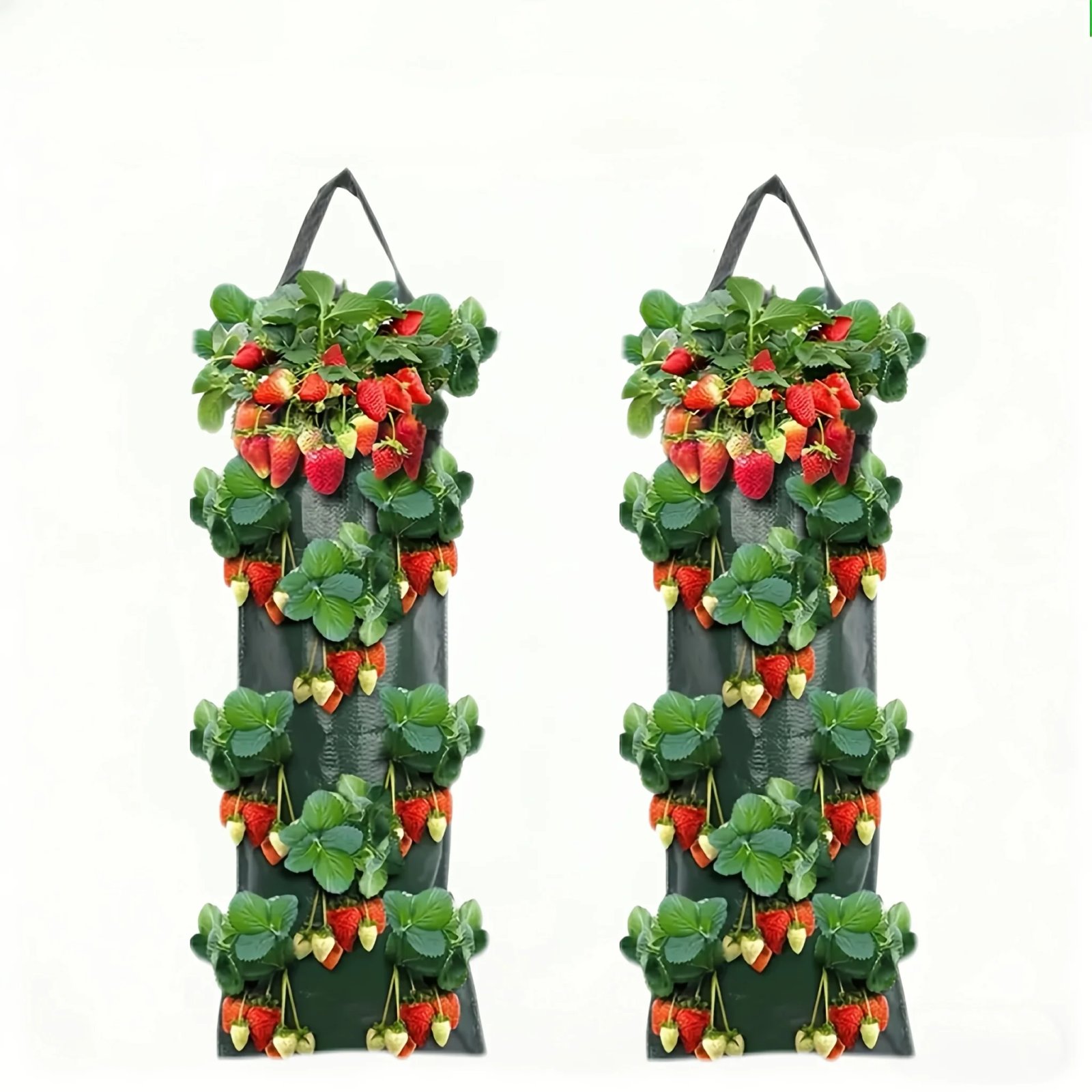
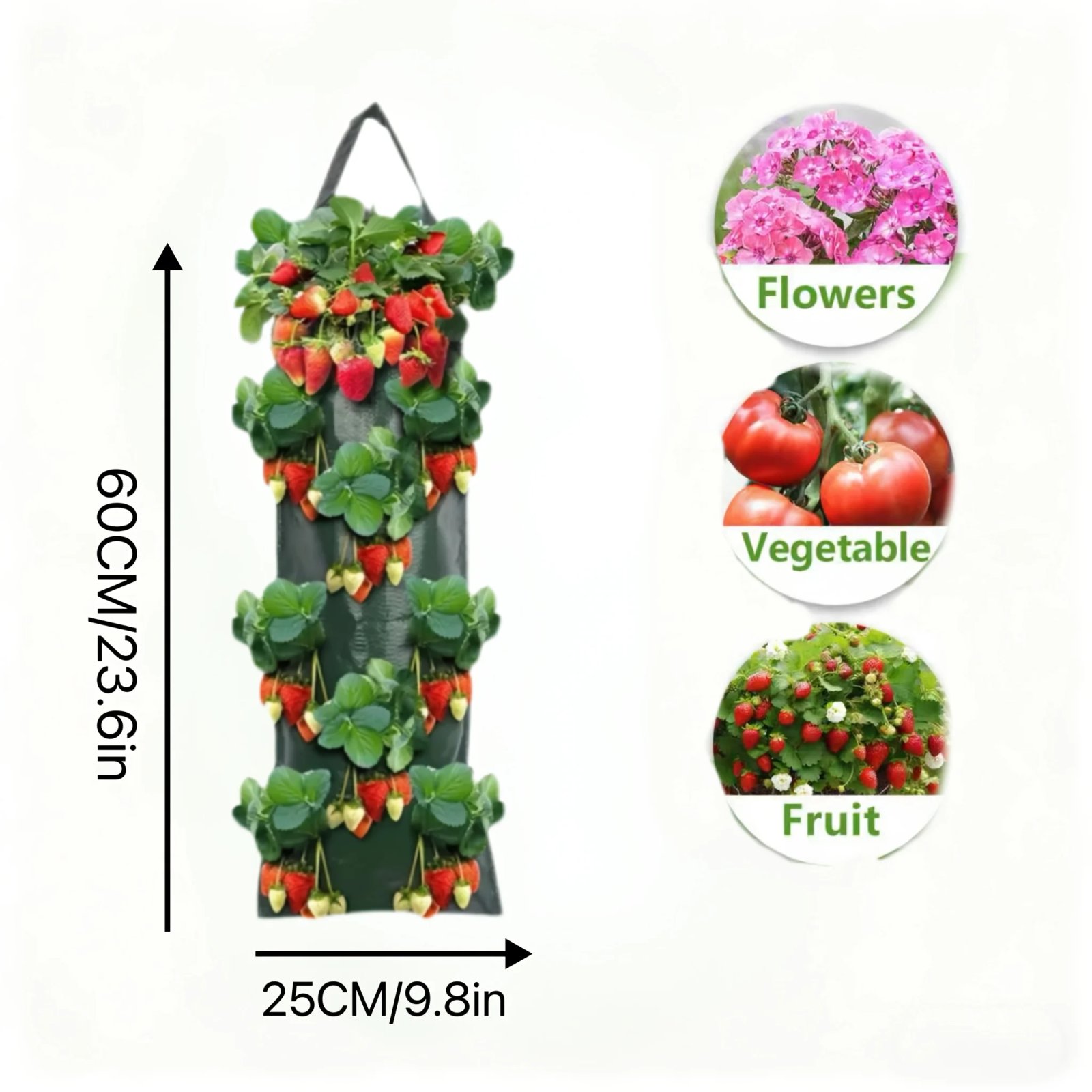
Hanging Strawberry and Tomato Planter Bags are specially designed fabric or plastic containers that allow you to grow strawberries, tomatoes, and other trailing or vining plants vertically. Instead of planting in the ground or in a traditional pot, these bags hang from a hook, railing, or frame, letting the plant grow downward while roots stay contained in a breathable, nutrient-rich pouch.
Most designs include multiple planting holes around the sides of the bag, allowing you to grow several plants in one hanging unit. This vertical approach not only saves space but also makes harvesting easier, since the fruit hangs freely and is less likely to touch the soil, reducing the risk of rot or pest damage.
Why Choose Hanging Planter Bags Over Traditional Planting?
There are several reasons why gardeners—both beginners and experienced—are making the switch to hanging planter bags:
1. Space-Saving Design
For those with limited outdoor space, these bags are a game changer. You can hang them on a porch, balcony, fence, or even indoors near a sunny window. This makes it possible to grow fresh produce even in apartments or urban settings.
2. Improved Air Circulation
Because the bags are elevated and often made from breathable fabric, they allow for excellent air circulation around the roots and plants. This reduces the risk of mold, fungus, and root rot that can sometimes occur with traditional pots or garden beds.
3. Better Pest Control
Hanging planters naturally keep pests like slugs, snails, and even some insects away from your plants, since they are elevated and harder to access than ground-level gardens.
4. Easier Harvesting
Since strawberries and tomatoes grow outward and downward from the bag, you don’t have to bend over or dig through leaves to find ripe fruit. This also minimizes bruising or damage to the fruit.
5. Aesthetic Appeal
These planter bags are not just practical—they also add a decorative touch to your garden, patio, or balcony. Watching strawberries cascade down the sides or tomatoes ripening in neat rows can be a beautiful addition to your outdoor space.
How to Use Hanging Strawberry and Tomato Planter Bags
Using these planter bags is simple, even for beginners. Here’s a step-by-step guide:
1. Choose the Right Bag: Look for a sturdy, UV-resistant, and breathable bag with multiple planting pockets. Some come with a built-in stand or hook for easy hanging.
2. Add Quality Soil: Use a well-draining potting mix, ideally one formulated for container gardening. You can also mix in compost for added nutrients.
3. Plant Strawberries or Tomato Seedlings: Gently place your starter plants into the side pockets and top of the bag. Make sure roots are covered but not compacted too tightly.
4. Water Regularly: Because hanging bags can dry out faster than ground soil, it’s important to water consistently, especially during hot weather. Drip irrigation or self-watering inserts can help maintain consistent moisture.
5. Find the Right Spot: Hang your planter in a location that receives at least 6-8 hours of sunlight per day for optimal growth.
6. Fertilize Occasionally: Use a balanced liquid fertilizer every 2-3 weeks to promote healthy growth and fruit production.
Tips for Maximizing Your Harvest
– Rotate the bag occasionally to ensure even sunlight exposure on all sides.
– Trim excess foliage to help the plant focus energy on fruit production.
– Use a saucer or drip tray underneath to catch excess water and prevent mess.
– Choose dwarf or trailing varieties of tomatoes and strawberries, as they are suited for container and hanging growth.
Are Hanging Planter Bags Durable?
Quality matters when it comes to planter bags. Opt for ones made from heavy-duty, non-woven fabric or UV-treated plastic to ensure they last through multiple growing seasons. Many are machine washable and can be folded away during the off-season for easy storage.
Final Thoughts
Hanging Strawberry and Tomato Planter Bags offer an innovative, practical, and attractive way to grow some of your favorite garden produce no matter how much space you have. They’re especially ideal for urban dwellers, renters, or anyone looking to simplify their gardening routine while still enjoying a fruitful harvest.
Whether you’re a first-time gardener or looking to upgrade your current setup, investing in a few of these planter bags could transform the way you garden. Not easy to maintain, saves space, and yields impressive results—it’s easy to see why they’ve on their way to becoming a staple in modern gardening.